
-
Home -
About
-
Values -
Leadership -
Approach -
Process
-
Partners -
Why AESI-
System Differentiators -
Project Considerations
-
-
Why Biomass-
Terminology -
FAQ
-
-
-
Solutions
-
Modular Systems -
Green Energy -
Waste to Energy -
Containerized Delivery -
District Energy -
Combined Heat and Power
-
-
Services
-
System Validation -
Fuel Testing & Analysis -
Turnkey Deployment -
Project Financing -
Post Installation Support -
Performance Guarantees -
System Warranties
-
-
Technologies
-
VIGC-
System Benefits -
Gasification Process
-
-
Biomass Gasification Boilers-
GLOBAL Series -
BIOTEC Series -
EOS Series-
Models -
Diagrams -
Photos
-
-
CMT Series
-
-
Biomass Hot Air and Gas Generators-
FMT Series
-
-
Power Generation-
Steam Turbines -
Microsteam Turbines -
Organic Rankine Cycle
-
-
Technology Comparison
-
-
BRI
-
About -
Facility -
Map & Directions -
Process -
Opportunity Fuels -
Grand Opening
-
-
BEA
-
About -
Members
-
-
Experience
-
Photos -
Videos
-
-
Blog -
Contact
-
Start Saving Now -
Map & Directions
-
Biomass Energy Blog
Fueling America: The Need for Standardization of Solid Biofuels
Posted by Doug Cure
on Monday, 27 February 2012
in Biomass Energy News
- 0 Comments
- Subscribe to updates
-
Print
Joshua Holmes – VP – System Development, AESIAs featured in the March 2012 edition of Biomass Power and Thermal Magazine.
According to the U.S. DOE’s Billion-Ton Update, more than 500 million tons of solid biomass waste is produced in the U.S. annually, and that figure is estimated to expand beyond 1 billion tons by 2022. As the country’s energy policy evolves and the biomass waste industry continues to grow, solid biofuels will become a staple of American energy. In order for that to occur, biomass energy projects need to continue to be successful, and that requires consideration of several factors.
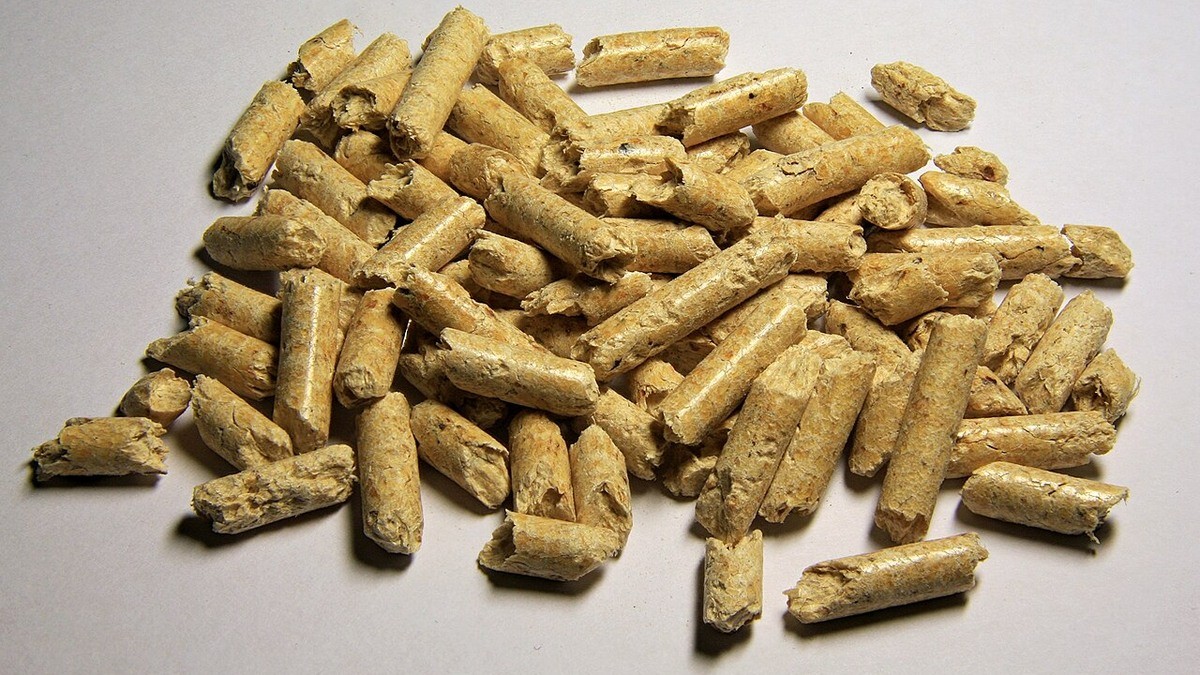
A successful biomass project should have a well-defined fuel source, as well as properly sized and selected equipment. The primary focus at the front end of every solid biofuels project is identifying the potential feedstock source. Currently, potential biomass sources must always be verified through chemical and physical analysis to ensure the fuel is compatible with the thermal equipment for achieving complete combustion and emissions compliance. Solid biofuels can vary in calorific value, moisture content, and ash content based on class, region, and climate, even on a load-to-load basis. Because of these variations, equipment performance and project economics are at risk of degradation without a proper, uniform definition for solid biofuels.
Currently, domestic feedstock sources are defined by thermal conversion equipment suppliers or by solid biofuel producers, generally according to different terms. Equipment suppliers are typically focused on a performance-basis, while solid biofuel producers are focused on a value-basis. Unfortunately, this leads to inconsistencies in definitions of solid biofuel quality, quantity, and value, creating uncertainty for both users and providers. This uncertainty creates a level of perceived risk from an economic perspective.
At the Pacific West Biomass Conference & Trade Show in January, much discussion was focused on the standardization of a solid biofuels definition, with the goal of achieving commoditization. A proper definition on a standardized basis is needed to ensure that the user is able to source compatible solid biofuels of a consistent quality, quantity, and value. The European Commission has developed and implemented standardized specifications and classes for solid biofuels according to CEN/TC 335. They eliminate the ambiguity between users and providers for sourcing and selling solid biofuels. Establishing solid biofuels as commoditized products also allows for a consistent basis of trade throughout the U.S., independent of localized factors.
Universities and energy policy advocates are the most likely candidates to implement this level of standardization in the U.S. The development of terms and definitions is the first step, followed by advocacy and acceptance by the industry. When this occurs, consumers and producers will have a standardized basis to fulfill performance and value requirements while mitigating biomass energy project risks. This will accelerate the growth of the solid biofuel market and effectively utilize the 1 billion tons of solid biomass waste estimated to be produced annually over the next 10 years.
- « AESI Featured on KAKE News
-
AESI Joins Biomass Thermal Energy Council
Leading provider of biomass gasification joins council to help maximize the ability of our nation’s biomass resource and provide renewable, sustainabl…By Doug Cure on
– Jan 19
in Biomass Energy News -
Biomass Gasification Boiler Technology Evolves
AESI EOS Biomass Gasification BoilerAs the United States biomass thermal and power industry continues to expand, new reliable technologies offering hi…By Doug Cure on
– Sep 27
in Biomass Energy News
Start Saving Now
Contact AESI and start saving on energy costs! Click the light bulb to begin.